
bestlafayettelawncare
July 27, 2026
Lafayette, IN Landscaping Trends for Commercial Properties and Office Spaces
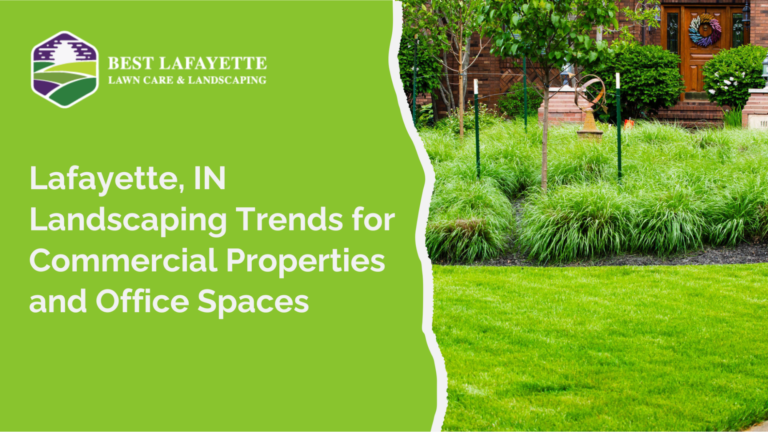
Commercial properties in Lafayette are moving toward landscapes that do more than look neat. The strongest trends include native and adapted plants, smart irrigation, and less unused turf. They also include better stormwater control, shaded outdoor areas, and simple four-season design. These ideas can make a site easier to manage. They can also improve safety and curb appeal through Indiana’s changing seasons.
For property managers comparing Lafayette commercial landscaping options, more features do not always mean a better plan. The right plan fits the building, traffic, budget, soil, drainage, and care team. An office may need a shaded lunch area. A retail site may need open driver views and durable plants near parking lots.
Owners want curb appeal, fewer water leaks, and clear reports. They also need grounds that hold up under heat, storms, road salt, and heavy use. Local commercial clients also tend to value reliable, bundled care and clear terms of work.
Not every trend belongs on every property. Before changing a site, review utilities, drainage, irrigation, walking routes, snow storage, and mature plant size. Rules vary by state and city. Work that affects drainage, utilities, accessible routes, or built features may need a permit or licensed professional. Lafayette lists current codes and permit resources for commercial projects.
What Commercial Landscaping Trends Matter Most?
Trend | Best fit | Main value | Check first |
Native and adapted plants | Entrances and borders | Lower input needs after plants settle | Sun, soil, salt, and mature size |
Smart irrigation | Large lawns and mixed beds | Better water control | Zone layout and system condition |
Right-sized turf | Campuses, offices, and retail sites | Less mowing in unused areas | Which lawns do people use |
Rain gardens and bioswales | Sites with roof or lot runoff | Slower stormwater flow | Soil, slope, utilities, and permits |
Shade and outdoor seating | Offices and campuses | More useful outdoor space | Access, visibility, and upkeep |
Four-season planting | High-visibility entrances | Steady curb appeal | Winter form and salt exposure |
Measured maintenance | Managed or multi-site properties | Clear standards and budgets | Scope, logs, and response times |
Why Are Native and Adapted Plants Gaining Ground?
Native plants support local food webs. They can perform well when the site matches their needs. Adapted plants may also work in Lafayette. They must handle local soil, cold, heat, and moisture without becoming invasive.
This trend does not require a wild look. Formal entrances can use clean plant groups, clear edges, and repeated colors.
Purdue reports that Indiana has more than 400 species of native bees. Its plant guides also stress bloom time, site fit, and habitat value.
Use low plants near drive exits and taller plants away from doors and cameras. Native does not mean maintenance-free. New plants still need water and weed control.
Choose plants for the site, not for the label. A qualified designer can create a phased commercial landscape design plan that looks professional and remains easy to service.
How Is Smart Irrigation Changing Office Landscapes?
Water-smart design is becoming a core part of commercial property care. The EPA estimates that landscaping accounts for about 22 percent of water use in office buildings. It also cites an office complex that cut total water use by 40 percent. The site upgraded its irrigation system and changed its care plan. Results vary, but the case shows why system checks matter.
Useful updates include weather-based controls, soil sensors, matched heads, and drip lines. Separate zones can also help. Yet technology cannot fix a poor layout or a broken pipe. Start with an audit.
Check for:
- Leaks and low pressure
- Heads that spray pavement
- Mixed plant needs in one zone
- Runoff before water soaks in
- Old controller settings
- Plants that block spray
Property managers can review commercial sprinkler and irrigation options before replacing a whole system. Repairs and better schedules may be the sensible first step.
Why Are Properties Reducing Unused Turf?
Turf still has value. It provides open space, clear views, and a clean frame around buildings. The newer approach keeps turf where it has a purpose. It replaces hard-to-manage strips, steep slopes, and isolated patches.
The U.S. Green Building Council advises teams to keep turf where a use calls for it. It suggests native or adapted plants for other areas.
An office may keep a lawn near a patio. It may turn a narrow strip by the parking lot into a bed. Before removing turf, check drainage, erosion, and snow storage.
How Are Rain Gardens and Bioswales Being Used?
Commercial roofs, drives, walks, and parking lots shed water fast. Rain gardens and bioswales can help manage runoff near where it falls. Tree trenches and permeable pavement can also help.
The EPA notes that green infrastructure can fit into parking medians and lot edges. It can capture stormwater, reduce heat, and improve walkability. Rain gardens use plants and prepared soil to hold and filter runoff from hard surfaces.
These systems need careful design. A low spot with plants is not always a working rain garden. Review soil infiltration, overflow paths, utilities, winter salt, standing water duration, and maintenance access.
Lafayette commercial projects that involve site or utility work may require a pre-submittal meeting. Check current city standards before construction starts.
What Makes an Outdoor Office Area Useful?
Outdoor work and break areas turn unused space into an amenity. A useful area needs shade, stable seating, a safe path, and distance from loading zones.
Pilot research links outdoor office work with positive work experiences and well-being. The evidence is still growing. A patio should not be sold as a promise of higher output.
Focus on daily use:
- Add shade during lunch hours
- Keep plants clear of seats and walks
- Choose surfaces that drain well
- Maintain open views for security
- Add power or Wi-Fi only when needed
A shaded table near a door may beat a large garden far away.
Why Do Shade and Four-Season Design Matter?
Trees and plants can make paved areas more comfortable. The EPA reports that shaded surfaces may be 20 to 45 degrees Fahrenheit cooler than unshaded surfaces at peak heat. Results depend on the tree cover, weather, and surface type.
Tree placement must allow room for roots, signs, lights, and plows. Poor placement can lead to pruning, pavement damage, or blocked views.
Four-season design uses spring bloom and summer texture. It also adds fall color and winter form. Use evergreens with care so they do not hide doors or signs. Place grasses where winter stems will not fall across walks or trap litter.
How Are Safety and Accessibility Shaping Design?
A commercial landscape should serve people before it serves a style. Plants should not block doors, fire equipment, lighting, accessible parking signs, or driver views. Branches should stay clear of walks. Sprinklers should not leave slick pavement.
The ADA Standards set access requirements for new or altered commercial facilities and public accommodations. Landscaping can affect access by changing routes, slopes, parking areas, or other site features.
Laws and codes vary. Ask the City of Lafayette and the proper licensed provider before changing built areas. Use an engineer, architect, code official, or access expert when required.
How Can Property Managers Budget for These Trends?
Start with problems, not products. Audit irrigation before adding beds. Review drainage before adding mulch. Try pruning and cleanup before a full redesign.
Budget level | Practical first moves |
Limited | Repair irrigation, prune for visibility, refresh entrance beds |
Moderate | Convert unused turf, add native plant groups, and improve one outdoor area |
Larger project | Rework drainage, add green infrastructure, replace failing plant zones |
Ongoing care | Use service standards, photos, seasonal reviews, and issue logs |
A written commercial lawn care and landscape plan should define mowing, edging, pruning, and bed care. It should also cover irrigation checks, cleanups, and response steps. Best Lafayette Lawn Care offers lawn, landscape, irrigation, design, turf, and snow services for local homes and commercial sites.
What Should a Commercial Maintenance Plan Track?
Clear records show what the crew did, what needs attention, and what may affect the budget.
Track:
- Visit date and completed tasks
- Irrigation leaks or dry zones
- Dead or declining plants
- Weed and pest concerns
- Storm damage and blocked drains
- Safety or visibility issues
- Work that needs approval
- Seasonal plans for leaves, snow, and salt
Clear reports matter on multi-site properties. They help crews act before a small issue becomes a large repair. Commercial clients often seek steady work, clear communication, and a single provider for multiple seasonal needs.
FAQs
What is the best landscaping trend for an office building?
Start with water control, safe access, and a clean entrance. Native plant groups, shade, and a small outdoor seating area can follow. The best choice depends on the site’s main problem and daily use.
Are native plants maintenance-free in Indiana?
No. They may need less input after they settle in the right place. Still, they need watering, weeding, pruning, and seasonal care. Site fit matters more than the native label alone.
How often should commercial landscaping be maintained?
Many visible properties need weekly service during fast spring growth. Other tasks follow monthly or seasonal cycles. The right schedule depends on growth, traffic, weather, site standards, and contract scope.
How much does commercial landscaping cost in Lafayette?
There is no useful one-price answer. Cost depends on acreage, bed area, slopes, and access. Visit rates, irrigation, pruning, materials, snow work, and reports also affect the price. Request a site-based scope and compare bids line by line.
Can a rain garden work beside a commercial parking lot?
Yes, when soil, grade, overflow, salt exposure, and maintenance access support it. An engineer or qualified designer may need to review the project. Check Lafayette rules before changing drainage or building areas.
What should a commercial landscaping contract include?
It should list service areas, tasks, timing, and quality standards. It should also cover materials, exclusions, reports, emergency work, extra-work approval, insurance, and renewal terms. Rules and license needs vary by service and state.
Conclusion
The leading Lafayette trends are practical. Use plants that fit the site. Control water and reduce turf where it has no job. Manage runoff, add useful shade, and plan for all four seasons. Phase the work around safety, drainage, access, and long-term care. Do not copy a plan from another region.
A useful trend should solve a real site problem and remain practical to maintain. Property owners can use this guide to prepare questions for a qualified local provider, and Best Lafayette Lawn Care can help assess which ideas fit a Lafayette office or commercial property without forcing every trend into the plan.