
bestlafayettelawncare
July 20, 2026
Best Landscaping Features for Apartment Complexes and Rental Properties in Lafayette
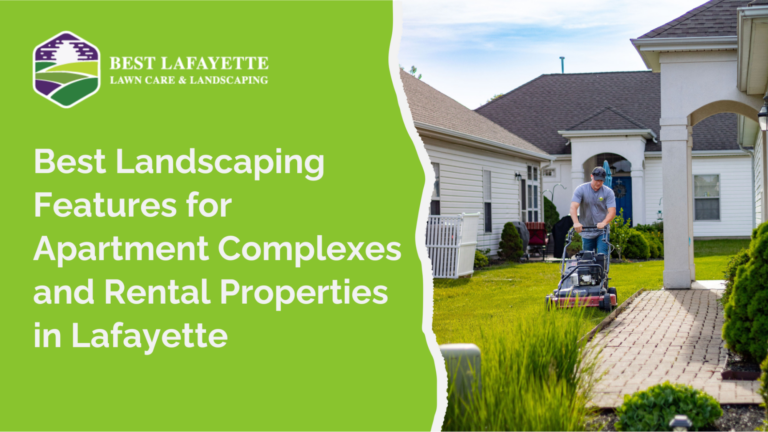
The best landscaping for apartment complexes and rental properties in Lafayette combines curb appeal, safe access, low maintenance, good drainage, and usable outdoor space. The goal is not to add the most plants. It is to choose features that stay neat through heavy foot traffic, summer heat, wet spring weather, falling leaves, and winter snow.
A Lafayette landscaping company should plan a shared property differently from a private yard. Apartment grounds serve residents, guests, pets, delivery drivers, workers, and emergency crews. Each feature should be useful in daily use. It should not block a walk, hide a sign, trap water, or add hours of needless work.
For most rental sites, the best features are clear entrance beds, tough turf, well-placed shade trees, smooth walks, low-care plant groups, smart watering, and sound drainage. Pet areas and small seating zones can add real use when the site has room. Snow storage and winter access also belong in the first plan, not as an afterthought.
Lafayette receives about 37 inches of precipitation per year in a normal year, based on climate data from 1991 to 2020. This makes water flow, soil, plant choice, and irrigation part of one plan. A strong design should welcome residents, protect the property, and stay practical in every season.
What Features Give Rental Properties the Most Value?
Value comes from fit, not size. A worn student housing lawn may need paths and tough grass. A senior community may gain more from shade, benches, and smooth routes. A large complex may need drainage and better watering zones before it adds more flower beds.
Feature | Main benefit | Best fit |
Clear entrance beds | Better curb appeal and wayfinding | Every rental site |
Durable turf and paths | Less mud and wear | High-traffic sites |
Adapted plant groups | Color with simpler care | Most properties |
Shade trees | Cooler walks and shared areas | Sites with enough root space |
Smart irrigation | Better water control | Irrigated properties |
Rain gardens or swales | Slower runoff and less ponding | Wet or paved sites |
Pet relief areas | More control of wear and waste | Pet-friendly rentals |
Snow-ready edges | Safer winter service | Every Lafayette site |
Fix basic problems first. Repair standing water, broken walks, dead limbs, poor sight lines, and leaks. Then spend on color, signs, seating, and other visible upgrades.
Why Is Apartment Landscaping Different From a Home Yard?
Apartment grounds take more wear. One shortcut across wet grass can become bare soil because many people use it each day. A small leak can soak a walk or flood a bed. A shrub that looks small today can cover a window or light in a few years.
A clean, simple plan often works best. Repeat a few proven plants. Use wide mowing routes and clear bed edges. Group plants with the same water needs.
For a larger site, a written scope of commercial lawn care in Lafayette should specify each service zone, task, visit range, and reporting. That makes bids easier to compare and results easier to check.
What Should a Strong Apartment Entrance Include?
The entrance should help people find the office, building, or drive. It should also show regular care. It does not need a large flower display.
A useful entrance plan has three simple layers:
- Low plants near walks and signs
- Medium shrubs that fit their mature space
- One accent, such as a small tree or seasonal planter
Keep thorny plants away from doors, walks, mail areas, and play zones. Leave signs and unit numbers easy to see. Do not place large shrubs under windows or close to lights.
A professional landscape design plan should show sun, slope, utilities, mature plant size, snow storage, and views. This helps owners choose plants for how they will fit in five years, not just how they look on planting day.
Which Lawn and Path Features Handle Heavy Use?
Most Indiana lawns use cool-season grass, such as Kentucky bluegrass, ryegrass, and tall fescue. Purdue says these grasses tend to do best at a mowing height of about 3 inches or more. It also advises cutting no more than one-third of the leaf at one time.
No grass can take endless traffic. Match the lawn to how people use the site.
- Consider tall fescue when traffic, drought, or shade is a key concern. Purdue notes these strengths, though the right cultivar and blend still depend on the site.
- Use a grass blend chosen for the site’s sun, soil, and wear.
- Add a real path where people keep taking shortcuts.
- Replace tiny curb strips with a suitable bed or hard surface.
- Keep move-in routes, pet routes, and play areas in mind.
Do not seed the same worn spot each year without finding the cause. Watch the site at busy times. The wear pattern may show where a walk, gate, or wider route belongs.
How Can Low-Care Plants Improve Apartment Grounds?
Low care does not mean no care. New plants still need water, weed control, and checks. Yet a well-matched plant can need less repair after it takes root.
Purdue notes that many Indiana native plants suit local soil and weather. Deep-rooted plants can also help water move into the rain garden soil. Plant choice must still match light, moisture, salt tolerance, mature size, and growth rate.
Use simple groups rather than many one-off plants. A bed may use one shrub, one flower type, and one groundcover in a clear pattern.
Choose plants that:
- Fit the light and soil
- Handle the site’s water level
- Do not invade nearby areas
- Tolerate salt near roads or snow piles
- Stay below signs and windows
- Offer interest in more than one season
- Need little staking or constant trimming
Use annual flowers only where they have the most effect, such as the main sign or leasing office. This keeps color visible without raising care at every building.
Why Do Shade and Shared Outdoor Space Matter?
Shade can make walks, patios, and play areas more pleasant. The U.S. Department of Energy says trees can lower nearby air temperature by as much as 6 degrees Fahrenheit. Air under a tree can be up to 25 degrees cooler than air over nearby blacktop. The result depends on weather, canopy, and placement.
Place trees with care. Check power lines, pipes, roots, roofs, fire lanes, lights, signs, walks, and snow piles. A small tree that fits the space often provides better long-term value than a large tree in a tight space.
Shared space can stay simple. A shaded bench, a small patio, a picnic table, a bike rack, or an open lawn may serve residents well. Put each feature on a firm surface and along a clear route. Keep plants, mulch, roots, and spray off the walk.
Access rules can apply to walks and shared outdoor areas. HUD states that covered multifamily housing must provide accessible routes and usable public or common areas. Other federal, state, and local rules may also apply. Owners should ask qualified design and code experts to review new walks, ramps, curbs, and amenity areas.
How Can Drainage and Irrigation Work Together?
Water problems may appear as wet turf, ice, washed mulch, algae, or pavement damage. New plants will not fix a bad grade or blocked outlet. First, find where the water starts, where it should go, and who controls the land.
Possible fixes include:
- Vegetated swales
- Catch basins
- Rain gardens
- Better grading
- Downspout changes
- Permeable paving
The EPA calls rain gardens, tree planting, and permeable pavement forms of green infrastructure. They use soil, plants, and natural flow to slow, soak up, and filter runoff. They still need the right size, soil, overflow path, and care.
Do not direct water onto a nearby property, public walk, or parking area without reviewing local rules. Large drainage projects may require a permit, a utility check, or assistance from an engineer.
Irrigation should give each zone the water it needs. Turf, shrubs, shade, sun, and new plants should not all follow the same schedule.
The EPA says poor outdoor watering can lose up to 50 percent of water through wind, runoff, and other waste. A poorly maintained home system can waste up to 25,000 gallons of water in one year. For a large rental system, that national figure is a strong reason to schedule routine checks, even though actual water use varies by property.
A sprinkler and irrigation service plan should include:
- Spring start-up
- Leak and pressure checks
- Sprinkler head alignment
- Seasonal controller changes
- Repair records
- Watering limits for new plants
- Fall shut-down and freeze protection
Inspect the system while it runs. A controller may show no error even when a broken head sprays a parking lot or building wall.
Which Features Help Pets and Winter Service?
A pet zone can limit random turf wear when it is easy to reach and clean. Place it away from main doors, bedroom windows, air intakes, and food areas.
A useful pet area may include:
- Good drainage
- A stable walking surface
- Waste stations
- Shade
- Open views
- Pet-safe plant choices
- Clear rules for residents
Property managers should check plant safety and follow product labels for any weed, insect, or lawn treatment. Required notices should remain easy for residents to see.
Winter needs shape the site too. Snow crews need storage areas that do not cover drains, signs, shrubs, or key walks. Keep plants back from plow routes. Mark young trees, bed edges, drains, and irrigation parts before the first storm.
Plan first for main doors, accessible parking, ramps, mail areas, fire access, and trash points. Fall leaf work also matters because leaves can block drains and hold water on pavement.
A year-round landscape maintenance plan should link final mowing, leaf removal, pruning, irrigation shut-down, and snow preparation.
How Should Owners Rank Landscape Upgrades?
Use a site walk to rank work by safety, resident use, and repair value.
Property type | Good first steps |
Duplex or fourplex | Clear walks, simple beds, defined tenant duties |
Garden apartments | Tough turf, shade, drainage, pet areas |
Student housing | Strong edges, clear routes, fast lawn repair |
Senior housing | Smooth access, shade, seating, snow response |
Older rental site | Tree risk, drainage, walks, then curb appeal |
A practical order is:
- Fix hazards and access problems.
- Repair drainage and irrigation.
- Correct tree, turf, and bed problems.
- Improve entrances and signs.
- Add a useful shared space.
- Add extra seasonal color.
This order helps protect the budget. It also keeps new plants from being damaged by later drainage, utility, or paving work.
Owners should also review the grounds at different times. A site may look fine during a quiet morning visit but have major traffic issues after school, during package delivery hours, or on a weekend.
How Do You Choose a Landscaping Contractor?
Ask each bidder to price the same written scope. It should name service areas, visit ranges, bed care, lawn work, irrigation checks, leaf care, reports, and approval for extra work.
Check:
- Current liability and workers’ compensation insurance
- Experience with occupied apartment properties
- Crew supervision
- Equipment backup plans
- Response time for damage or urgent issues
- Treatment and service records
- Recent work at similar rental sites
- Communication with managers and residents
- Renewal and cancellation terms
Ask who will contact residents when work affects parking, entrances, pets, or shared space. Property managers should not have to chase several people to learn why a visit changed.
Indiana requires a business that applies pesticides or fertilizer for hire to hold the right business license. It must carry liability insurance and use qualified workers as required. Check current records with the Office of Indiana State Chemist. Rules vary by task and may change, so use the official source.
Avoid vague bids, hidden add-ons, blocked sight lines, plants too close to buildings, one watering plan for all zones, and promises of a perfect lawn. A good contractor should explain service limits, weather delays, and how problems will be fixed.
What Landscaping Mistakes Should Property Managers Avoid?
The most common mistake is buying plants before fixing site problems. A new bed cannot correct poor drainage, unsafe walks, weak trees, or bad traffic flow.
Other common mistakes include:
- Planting shrubs too close to buildings
- Choosing plants that need constant trimming
- Mowing grass too short
- Watering every zone for the same length of time
- Replacing worn grass without changing the traffic route
- Blocking signs, lights, doors, or windows
- Placing valuable shrubs in snow storage areas
- Adding seating with no shade or clear path
- Ignoring road salt near parking lots
- Using a contract with no quality standard
A clean, repeatable design usually works better than a complex plan. The best rental landscape should look planned on a normal weekday, not only after a spring planting project.
FAQs
What is the best low-maintenance landscaping for a rental property?
Use a simple mix of adapted shrubs, perennials, mulch, durable grass, and clear paths. Match each plant to light, soil, water, salt, and mature size. Even low-care beds need water while plants take root.
Does landscaping increase rental property value?
Good grounds can improve first impressions, daily use, and market appeal. The return depends on the site, local rental market, care level, and project cost. Fix access, drainage, trees, and entrances before adding decorative features.
What plants work best for apartment complexes in Indiana?
Choose plants that fit the exact sun exposure, soil type, moisture level, winter cold, and salt tolerance. Native plants may work well, but no plant fits every bed. A local landscape expert or Purdue Extension guide can help with final choices.
How often should apartment landscaping be maintained?
Many sites require weekly mowing during periods of fast growth. Beds, irrigation, pruning, leaves, and snow follow other schedules. A good contract uses clear seasonal ranges and explains how the company handles rain or other weather delays.
Who is responsible for landscaping at a rental property?
The lease should state the duties. Owners often care for shared grounds, while tenants follow rules for patios, pets, and personal items. State and local laws vary, so ask a qualified local expert to review lease terms.
What should a commercial landscape contract include?
It should list service areas, tasks, timing, quality rules, materials, reports, weather delays, extra-work approval, insurance, damage steps, billing, renewal, and cancellation. Maps and photos can help prevent disputes on large sites.
Conclusion
The best rental landscaping in Lafayette is useful before it is fancy. Start with safe access, water flow, healthy plants, clear routes, and winter needs. Then add shade, seating, pet space, and color where residents will use them. A site review and written plan are good first steps when you are ready to improve the grounds. Best Lafayette Lawn Care is a family-owned, local provider serving homes and commercial properties with lawn, landscape, irrigation, and year-round site care.